Robert Morris Inn in Oxford, Maryland: Why It Closed
October 1, 2026
October 1, 2026
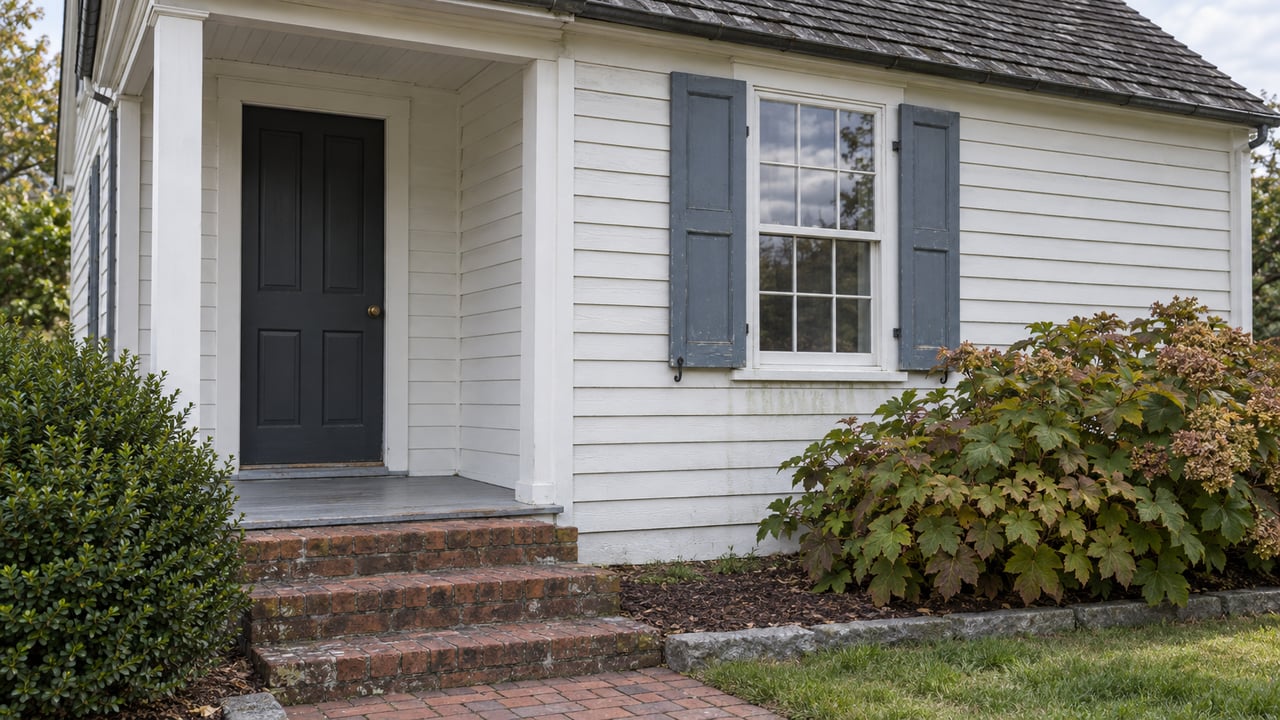
Walk past 314 N. Morris Street this month and you will find a building that looks ready for dinner service. The dining tables are still set with linens and silverware. Upstairs, the beds still have sheets on them. The roof leaks over the tavern wing, but the historic main structure remains sound and weathertight, according to recent interior photographs presented to Oxford's Board of Commissioners. None of that has mattered since January 2026, when the town condemned the building that has operated in some form since 1710, first as a private residence called River View House and later as the oldest full-service inn in the country.
If you are comparing Oxford to other Eastern Shore towns and you've noticed the Robert Morris Inn sitting closed for the better part of a year, it's worth understanding what actually put it there. It isn't a story about whether people want to stay in Oxford. It's a story about three separate legal processes landing on the same eighteenth-century address at the same time.
Town inspectors cited water damage, a deteriorating ceiling, and other signs of long-term neglect as posing risks to public health and safety, and Oxford condemned the property. In the same month, WBOC reported that the inn's lender moved to foreclose on the property. Owner David Snyder responded by filing for bankruptcy protection, which under federal law automatically stays a foreclosure while the case proceeds. The property has been tied up in federal bankruptcy court in Washington, D.C. ever since.
Those three events didn't cause each other. They collided. A condemnation is a public safety finding. A foreclosure is a lender's contractual remedy. A bankruptcy filing is a debtor's legal shield. Each one moves on its own clock, governed by its own court or agency, and each one has to resolve or get worked around before the building can change hands cleanly. That's the mechanism a group of Oxford residents has started calling a "triple threat."
As WBOC reported, the group calls itself Friends of the Robert Morris Inn. It was co-founded earlier this year by Cameron Mactavish, an architect with roughly four decades of historic preservation experience who has lived in Oxford for two decades. The group sent an open letter asking Oxford's commissioners to formally enter the federal bankruptcy proceeding, not to fund a rescue, but to make sure the town gets notice and standing as the case moves through court.
At a commissioners' meeting reported by the Star Democrat on September 23, resident Dick Deeran laid out the legal argument, pointing to case law where municipalities have joined bankruptcy proceedings as parties because zoning, historic preservation, and safety regulations are all implicated in how the property eventually gets sold or repurposed. Commission President Katrina Greer confirmed the town is already monitoring the case closely enough to receive creditor notices, though commissioners raised a practical concern: hiring specialized bankruptcy counsel in Washington isn't free, and they agreed to consult the town attorney before deciding how far to formally insert themselves.
The more consequential thing that came out of that meeting wasn't about legal standing. It was that commissioners expressed openness to adaptive reuse options rather than insisting the property remain an inn or restaurant. That single sentence matters more to anyone thinking about Oxford's long-term character than the bankruptcy timeline does.
The Star Democrat reported that Mactavish told commissioners: "It is not too late to save this building, but we need to act now." He warned that another winter without heat and with water infiltration would accelerate mold growth and freeze-thaw damage, driving preservation costs higher the longer the case drags on.
Here's what didn't happen while all of this was unfolding. Oxford's other food and hospitality businesses kept operating on their normal seasonal rhythm. Doc's Sunset Grille kept serving sunset views on the Tred Avon River. Pope's Tavern at the Oxford Inn kept its dining room open. Oxford Market and Deli and Oxford Social kept their regular counters running near Town Park. Even Capsize OXMD's winter closure, which happens every year regardless of what's going on at the Robert Morris Inn, is a seasonal pattern, not a distress signal.
Meanwhile, a new concept called Babe's Fine Spirits & Provisions is set to open at the entrance to town, in the space that formerly housed Latitude 38. That's a business choosing to invest in Oxford's commercial footprint in the same year the town's most famous address sat in bankruptcy court. If Oxford's fundamentals were the problem, that timing wouldn't make sense.
The distinction matters if you're weighing Oxford against St. Michaels or Easton and treating a closed landmark as a proxy for market health. The Robert Morris Inn's roughly 12,000-square-foot commercial footprint (formal dining room, tavern, and tap room seating up to 170 people across the property) sat in legal limbo for reasons specific to its ownership structure and its lender relationship. That's not the same signal as declining demand for waterfront property in a town where the ferry, the yacht club, and the working boatyards haven't gone anywhere.
The detail that should stay on a buyer's radar isn't when the bankruptcy resolves. It's what happens if commissioners follow through on adaptive reuse. For three hundred years, that address has meant an inn with rooms and a dining room. If the next owner turns it into something else, whether residential, event space, or a different commercial use entirely, that changes what anchors the north end of town near the ferry landing.
Oxford is a small place. The commercial core is a handful of blocks. One prominent building shifting use changes the walk from the ferry to the Strand in a way that a similar shift wouldn't in a larger town. Anyone evaluating Oxford for its lifestyle amenities, not just its housing stock, has a reason to follow how this resolves rather than assume it snaps back to exactly what it was.
Does the Robert Morris Inn's closure affect Oxford home values? Nothing in the public record ties this case to residential pricing. The condemnation, foreclosure, and bankruptcy are specific to this commercial parcel and its ownership structure, not to demand for homes in Oxford.
Will it reopen as an inn? That's genuinely unresolved. Commissioners have signaled openness to uses beyond inn or restaurant, which means the property's next chapter isn't guaranteed to look like its last two hundred years.
Can the public visit or tour the building right now? The property was condemned in January 2026 for safety reasons and is closed to the public while it remains tied up in bankruptcy proceedings.
Is the property still listed for sale? As of late 2025 reporting, the inn carried an asking price near $3.6 million. Any sale would need to work through the ongoing bankruptcy case before it could close cleanly.
If you're weighing Oxford against other Eastern Shore towns and want the full picture, not just the headline about a shuttered landmark, Eddie Matthews can walk you through what's actually happening on the ground here and what it does and doesn't mean for your search. Let's Connect.
This article is general information, not legal, tax or financial advice. Consult a qualified professional about your situation.


Whether you’re buying your first home, selling a trust property, or navigating a probate sale, my goal is always the same: to provide honest guidance, strong advocacy, and a smooth experience from beginning to end. Real estate is about people, not just properties. I would be honored to help you take your next step.