How to Choose the Best St. Michaels Waterfront Home
April 16, 2026
April 16, 2026
If you picture a waterfront home in St. Michaels as one simple category, you could miss what really matters. In this town, waterfront can mean harbor-front, creek-front, or another tidal-water setting, and each one can come with different access, maintenance, and approval considerations. If you want a home that fits how you actually plan to live, boat, and maintain the property, it helps to know what to compare before you fall in love with the view. Let’s dive in.
St. Michaels is a historic tidewater town with deep ties to the water. Town planning materials describe a largely intact historic district with more than 250 surveyed historic structures, and local history reflects how the town grew around boat access and waterfront use. That history still shapes the way homes, streets, and shoreline areas function today.
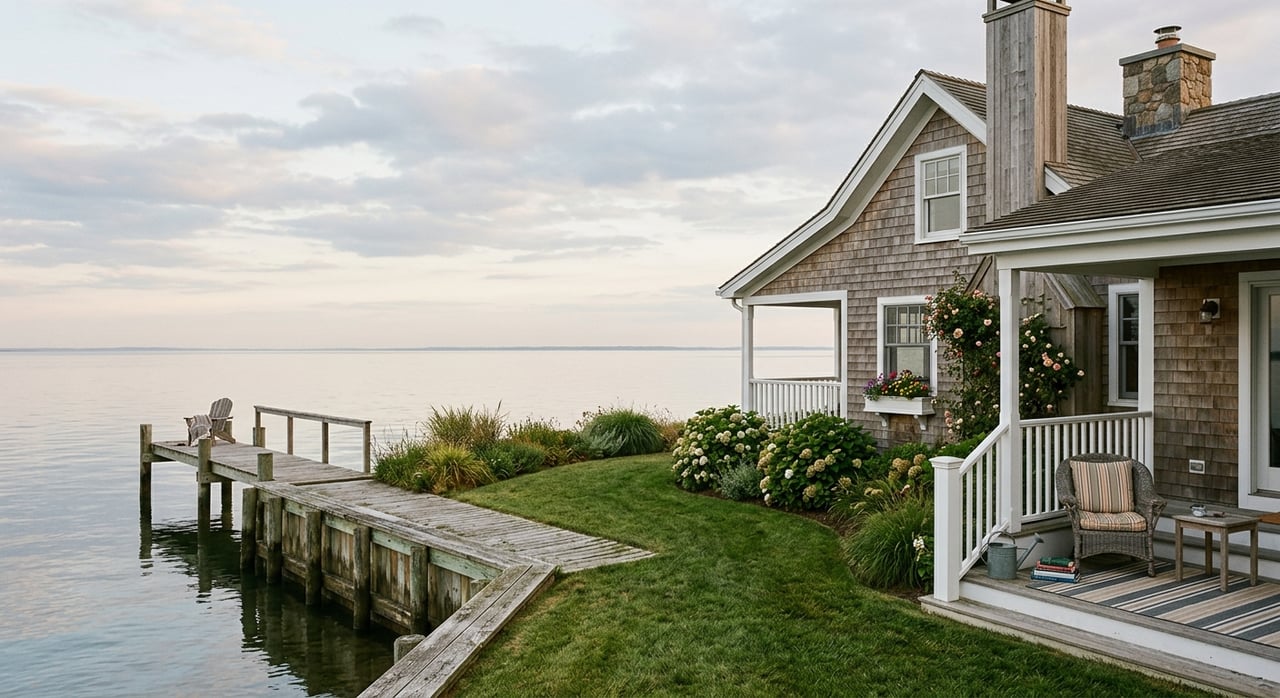
When you search for waterfront property here, you are not looking at one uniform Bayfront product. According to the town’s parks and waterfront information, buyers often compare locations around Town Harbor, San Domingo Creek, Back Creek, and other harbor-side areas. That means two homes with “waterfront” in the description may offer very different experiences.
One of the smartest ways to narrow your search is to compare the type of water exposure, not just the address. Harbor-front settings may feel different from creek-front locations in terms of views, boating patterns, and shoreline conditions. A pretty location on the map does not tell you everything you need to know.
As you tour homes, ask how the water setting affects day-to-day use. You may care most about easy boating access, quieter water, or a lower-maintenance shoreline. Your best fit often comes down to matching the property’s waterfront conditions with your intended lifestyle.
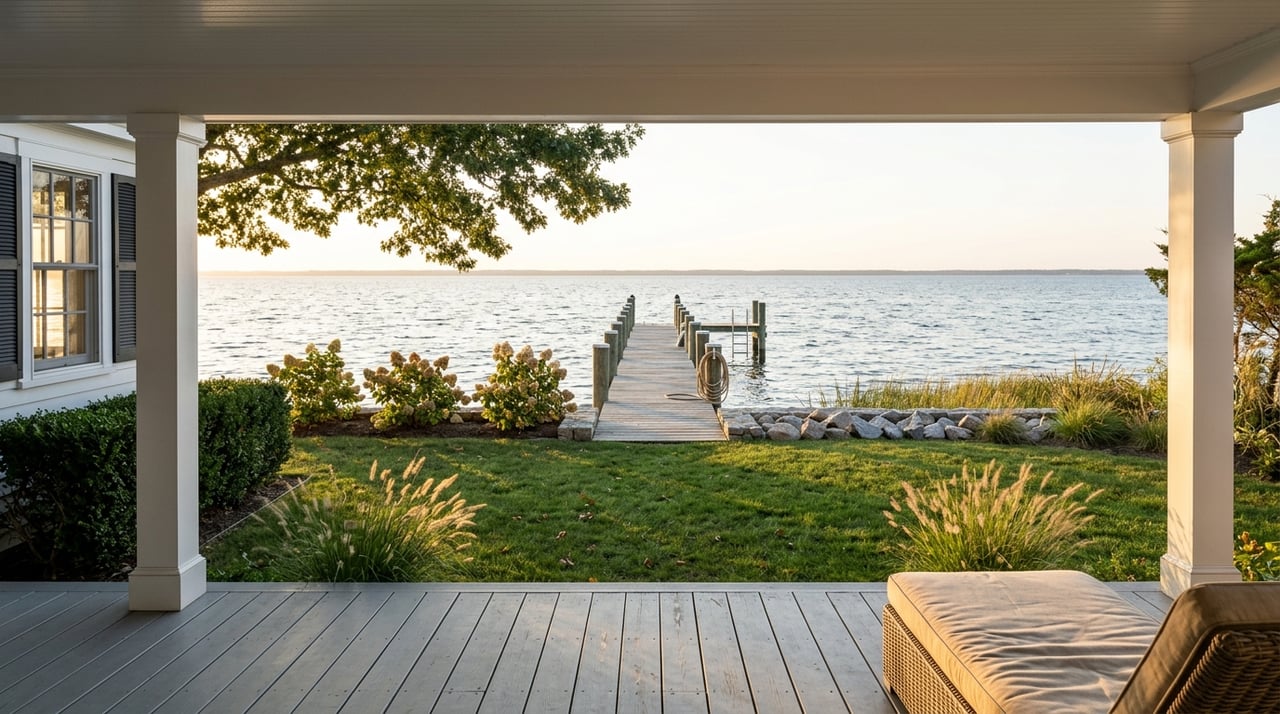
Many second-home buyers assume that a waterfront or water-view property comes with direct docking rights. In St. Michaels, that is not always the case. The town’s comprehensive plan notes that St. Michaels has 55 town-owned boat slips, two ramps, limited temporary docking, and kayak access including a launch at Back Creek Park, which shows that public access exists but is managed.
That is why you should verify whether a home has deeded dock access, permitted private access, town slip access, or no direct boating access at all. The town also posts a boat slip waitlist application on its reports and applications page, which is another reminder that access can be limited. If boating is a major part of your plan, this question should move near the top of your list.
Not all shorelines are built or maintained the same way. Before you make assumptions about upkeep, confirm whether the property has a living shoreline, bulkhead, revetment, or an unprotected edge. That detail can affect both maintenance needs and future improvement options.
The Maryland Department of Natural Resources explains that shoreline conditions and stabilization choices matter in tidal areas, especially where erosion or permitting issues may come into play. Its shoreline guidance is a useful reference for understanding the basic categories. For buyers, the practical takeaway is simple: shoreline work is a real ownership factor, not a minor background detail.
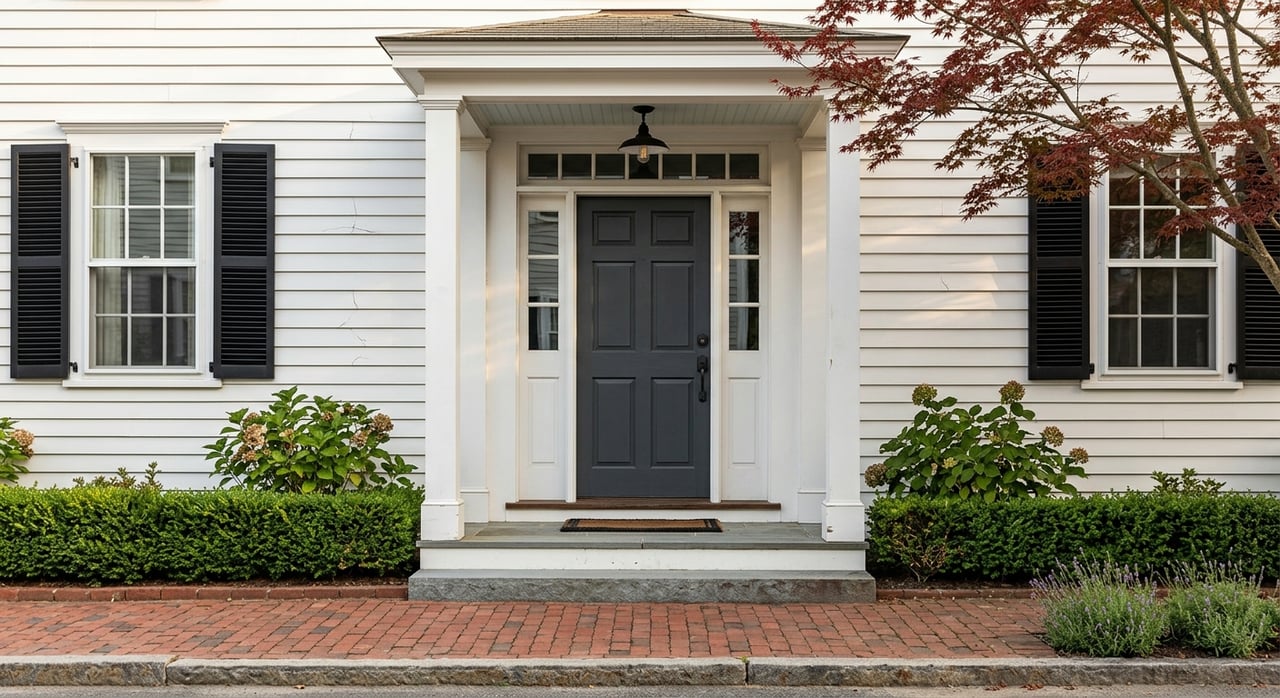
A big part of St. Michaels’ appeal is its architecture. The town’s historic district was created to protect its cultural and architectural history, and town materials describe the district as being on the National Register of Historic Places. If you are buying an older waterfront home, the style and character may be a major reason you love it, but that same character can come with review requirements.
The Historic District Commission reviews many exterior architectural changes, additions, new construction, and demolition. A Certificate of Appropriateness is required before permits are issued for covered work. So if you are thinking ahead to updating siding, replacing windows, adding an addition, or making other exterior changes, you will want to understand the review process early.
Town design materials show a mix of Federal, Victorian, Greek Revival, Queen Anne, and bungalow forms, especially from the late 19th and early 20th centuries. The town’s architectural guidelines also note that many homes blend elements from more than one style. In practical terms, that means the homes often feel distinctive and full of character rather than cookie-cutter.
That charm is part of the draw, but older waterfront homes can also require more ongoing care. Exterior woodwork, drainage concerns, and storm resilience can all be part of long-term ownership. A home can be well loved and still need a realistic maintenance plan.
Waterfront buyers should always treat flood risk as its own topic. A beautiful lot, a strong house, and a good location do not remove the need to verify flood-zone information and insurance costs. This is one of the most important steps in comparing one property to another.
FEMA says the Flood Map Service Center is the official source for flood hazard information. FEMA also notes that standard homeowners insurance usually does not cover flood damage. Before you move forward on a waterfront purchase, check the flood zone, ask for an insurance quote, and learn how those costs fit into your monthly budget.
Flood risk is not just a private property issue in St. Michaels. The town’s Climate Change/Sea Level Rise Commission publishes Floodwatch projections and flood studies through 2050 for several local streets and areas, including San Domingo Creek and parts of the harbor area. That local planning work gives buyers more context for understanding how different blocks may be affected over time.
Maryland DNR also reports that tidal waters in Maryland have risen about one foot over the last 100 years and could rise another 1.4 to 2.1 feet by 2050. Its coastal landowner factsheet explains that storm surge, sea level rise, wind-driven waves, boat wake, and runoff all play a role in shoreline erosion. For you as a buyer, that means it is wise to look beyond today’s photo-friendly conditions and think about long-term resilience too.
If you plan to improve a waterfront property after closing, make sure you know who reviews what. Shoreline work below the average high tide line in tidal wetlands or tidewater generally requires state authorization plus a local permit before work begins, and Maryland policy favors living shorelines where feasible. The DNR’s living shoreline rules overview can help you understand that framework.
At the local level, St. Michaels Planning and Zoning handles zoning, environmental regulations, and building permits. Depending on the property and the project, you may also need Historic District Commission review. If a home is not fully served by municipal utilities, Talbot County advises buyers to ask Planning and Zoning and Environmental Health about septic and well records.
Before you narrow your list, it helps to ask a few direct questions on every waterfront property you consider:
These questions may not feel as exciting as the water view, but they often tell you more about whether a property is the right fit. In a town with a managed waterfront system and a strong preservation framework, details matter.
In St. Michaels, the best waterfront home is usually not just the one with the biggest view. It is the one whose shoreline type, boating access, flood exposure, and historic or permitting obligations line up with how you plan to use the property. When you compare homes through that lens, you are more likely to make a confident decision and avoid expensive surprises later.
If you want a steady local perspective as you compare waterfront options in St. Michaels, Eddie Matthews can help you look beyond the listing photos and focus on the details that matter most.
Whether you’re buying your first home, selling a trust property, or navigating a probate sale, my goal is always the same: to provide honest guidance, strong advocacy, and a smooth experience from beginning to end. Real estate is about people, not just properties. I would be honored to help you take your next step.